
What Is Lymphatic Massage?
Lymphatic massage, or Manual Lymphatic Drainage (MLD), is a specialized therapeutic massage technique that stimulates the movement of lymph fluid through the lymphatic vessels. Developed in the 1930s by Dr. Emil Vodder, this method has become an established therapy used by healthcare professionals and certified massage therapists worldwide.
The lymphatic system is an essential part of the body’s immune and circulatory systems. It consists of lymph vessels, lymph nodes, lymph fluid, the spleen, thymus, and tonsils. Its primary function is to transport excess fluid, proteins, waste products, toxins, and immune cells throughout the body.
Unlike the cardiovascular system, which relies on the heart to pump blood, the lymphatic system has no central pump. Instead, lymph fluid moves through muscle contractions, breathing, and body movement. When this flow becomes sluggish due to surgery, injury, illness, or inactivity, fluid may accumulate in tissues, leading to swelling known as edema.
Lymphatic massage helps restore this natural flow by applying gentle pressure in the direction of the lymphatic vessels.
How Does the Lymphatic System Work?
The lymphatic system performs several critical functions that support overall health. It helps maintain fluid balance by collecting excess fluid from body tissues and returning it to the bloodstream. It also filters harmful bacteria, viruses, and toxins through lymph nodes while transporting white blood cells that help fight infections.
Because lymph circulation depends largely on movement, a sedentary lifestyle, prolonged sitting, injury, or surgery can slow the flow of lymph. This can contribute to swelling, discomfort, and delayed healing.
Lymphatic massage provides external stimulation that encourages lymph fluid to move more efficiently through the body’s natural drainage pathways.
Benefits of Lymphatic Massage
1. Reduces Swelling and Fluid Retention
One of the primary benefits of lymphatic massage is reducing swelling caused by excess fluid accumulation.
It is commonly recommended for people experiencing swelling due to:
- Post-surgical recovery
- Sports injuries
- Pregnancy
- Lymphedema
- Chronic venous insufficiency
- Extended periods of inactivity
By improving lymphatic drainage, excess fluid is gradually removed from affected tissues, helping reduce discomfort and improve mobility.
2. Supports Post-Surgical Recovery
Many plastic surgeons recommend lymphatic massage following cosmetic or reconstructive procedures, including:
- Liposuction
- Tummy tuck (abdominoplasty)
- Brazilian Butt Lift (BBL)
- Breast augmentation or reduction
- Facelift
- Body contouring procedures
After surgery, the body naturally responds with inflammation and fluid buildup. Lymphatic massage can help minimize swelling, reduce bruising, improve circulation, and promote faster healing. Patients often report feeling more comfortable during recovery and notice improvements in skin texture and tissue softness over time.
3. Promotes Healthy Immune Function
The lymphatic system plays a central role in the body’s immune defense by transporting infection-fighting white blood cells and filtering harmful microorganisms through lymph nodes.
While lymphatic massage should not be considered a treatment for preventing illness, supporting healthy lymph circulation may contribute to the body’s natural immune processes and overall wellness.
4. Encourages Relaxation and Stress Relief
The gentle, rhythmic movements used during lymphatic massage have a calming effect on the nervous system. Many people experience:
- Reduced stress levels
- Improved sleep quality
- Lower muscle tension
- A sense of relaxation
- Enhanced mental well-being
Unlike deep tissue massage, lymphatic massage is extremely gentle, making it an excellent option for individuals seeking relaxation without intense pressure.
5. Improves Circulation
Although lymphatic massage primarily targets lymph flow rather than blood circulation, improved lymph movement can complement healthy circulation by reducing tissue congestion and supporting nutrient exchange.
Better circulation may also contribute to healthier-looking skin and improved tissue recovery.
6. Reduces Facial Puffiness
Facial lymphatic drainage has become increasingly popular in skincare and aesthetic treatments.
Potential cosmetic benefits include:
- Reduced morning puffiness
- Improved facial contour
- Less fluid retention
- Brighter complexion
- Healthier skin appearance
Many skincare professionals incorporate facial lymphatic massage into beauty treatments to create a refreshed and sculpted appearance.
7. Supports Individuals with Lymphedema
Lymphedema is a chronic condition involving persistent swelling caused by impaired lymphatic drainage, often following cancer treatment or lymph node removal.
Manual Lymphatic Drainage is considered one component of Complete Decongestive Therapy (CDT), alongside compression garments, exercise, and skincare. When performed by certified therapists, it can significantly improve quality of life for individuals living with lymphedema.
Who Can Benefit from Lymphatic Massage?
Lymphatic massage may be beneficial for individuals who:
- Are recovering from surgery
- Experience mild fluid retention
- Have medically diagnosed lymphedema
- Spend long hours sitting or standing
- Experience swollen legs or ankles
- Seek stress reduction and relaxation
- Want to support overall wellness
However, treatment should always be tailored to each individual’s health status and medical history.
Who Should Avoid Lymphatic Massage?
Although generally considered safe, lymphatic massage may not be appropriate for everyone.
Individuals should consult a healthcare provider before treatment if they have:
- Acute infections
- Fever
- Uncontrolled heart failure
- Deep vein thrombosis (DVT)
- Severe kidney disease
- Active blood clots
- Certain cancers, unless approved by their healthcare team
A qualified therapist should always perform a health assessment before beginning treatment.
What Happens During a Lymphatic Massage Session?
A typical lymphatic massage session lasts between 30 and 90 minutes, depending on the treatment area and individual needs.
The session generally includes:
- An initial consultation to review medical history and treatment goals.
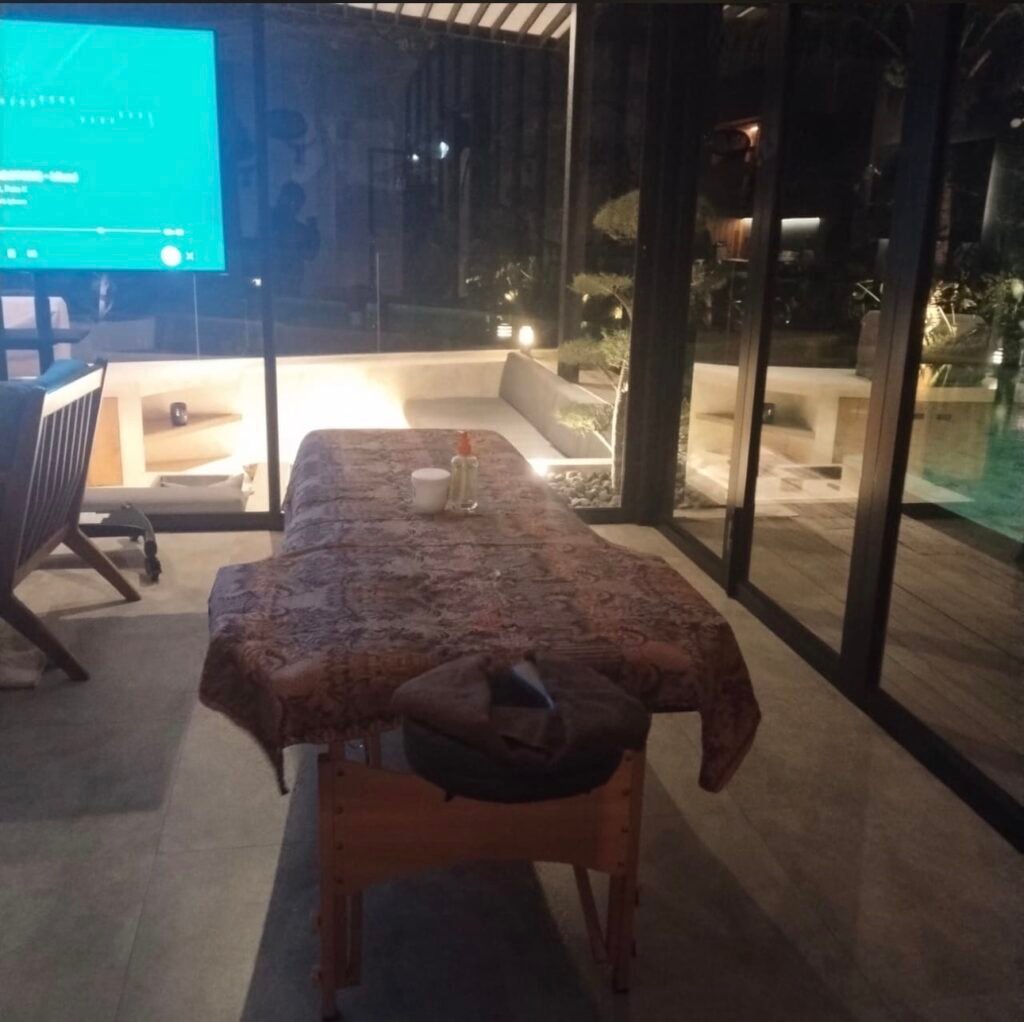
- Comfortable positioning on a massage table.
- Gentle, rhythmic hand movements following the natural direction of lymph flow.
- Light pressure that stretches the skin without compressing deeper muscles.
- Focus on major lymph node areas such as the neck, armpits, abdomen, and groin.
Because the pressure is very light, lymphatic massage is often described as soothing and relaxing rather than painful.
Tips for Maximizing Results
To get the most benefit from lymphatic massage, consider the following recommendations:
- Drink plenty of water before and after treatment.
- Stay physically active with light exercise, such as walking.
- Avoid excessive sodium intake, which may contribute to fluid retention.
- Maintain a balanced diet rich in fruits and vegetables.
- Get adequate sleep to support the body’s natural healing processes.
- Follow your therapist’s recommended treatment schedule.
For individuals recovering from surgery, it is important to follow all post-operative instructions provided by the surgeon.
Can Lymphatic Massage Help with Weight Loss?
A common misconception is that lymphatic massage directly burns fat or leads to significant weight loss.
In reality, lymphatic massage does not reduce body fat. Any temporary decrease in body weight is usually due to the reduction of excess fluid rather than fat loss.
Sustainable weight management still depends on:
- A balanced diet
- Regular physical activity
- Healthy lifestyle habits
- Adequate sleep
Lymphatic massage may complement these efforts by reducing fluid retention and promoting overall comfort, but it should not be viewed as a weight-loss treatment.
Are There Any Side Effects?
Most people tolerate lymphatic massage very well. Mild and temporary side effects may include:
- Increased urination
- Mild fatigue
- Temporary thirst
- Slight tenderness in sensitive areas
- Lightheadedness in rare cases
These effects usually resolve within a few hours. If unusual symptoms occur, patients should contact their healthcare provider.
Choosing a Qualified Therapist
To ensure safe and effective treatment, choose a therapist who:
- Has formal training in Manual Lymphatic Drainage (MLD)
- Holds certification from a recognized institution
- Has experience treating post-surgical patients or lymphedema
- Conducts a thorough health assessment before treatment
- Works in a clean, professional environment
For individuals with medical conditions, obtaining approval from a physician before beginning treatment is strongly recommended.
Conclusion
Lymphatic massage is a gentle, evidence-informed therapy designed to support the body’s lymphatic system by encouraging the natural movement of lymph fluid. It offers numerous potential benefits, including reducing swelling, supporting post-surgical recovery, promoting relaxation, improving circulation, and assisting in the management of lymphedema.
While lymphatic massage can be a valuable addition to a healthy lifestyle, it is not a substitute for medical treatment or a solution for weight loss. The best results are achieved when treatment is performed by a qualified professional and combined with healthy habits such as regular exercise, proper hydration, balanced nutrition, and adequate rest.
Whether you are recovering from surgery, managing fluid retention, or simply looking to enhance your overall wellness, lymphatic massage may provide a safe and relaxing way to support your body’s natural healing processes. Always consult your healthcare provider before beginning treatment, especially if you have underlying medical conditions or are recovering from a significant illness or surgery.