
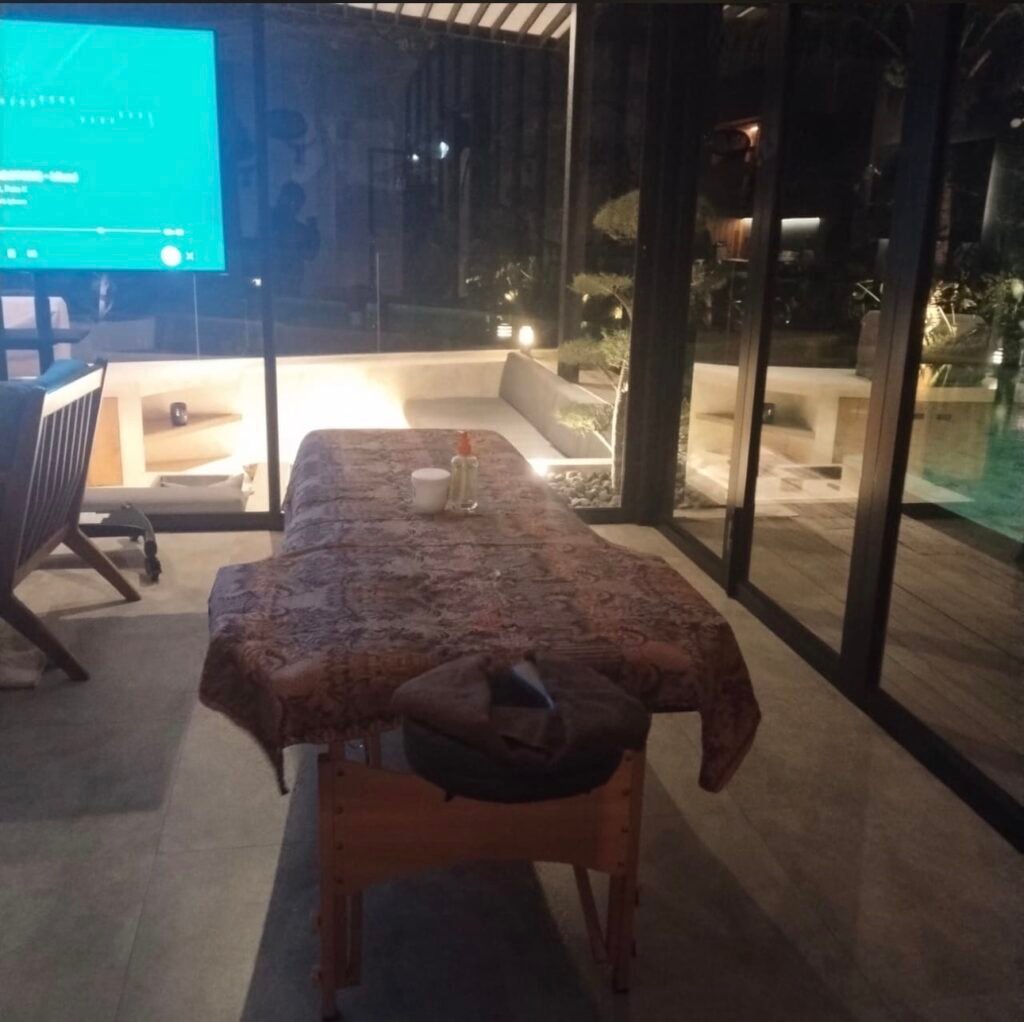
Sports Massage: Definition, Benefits, Techniques, and Its Role in Enhancing Athletic Performance
Sports Massage: An Essential Therapy for Fitness and Performance
Sports massage is a specialized form of manual therapy designed to help athletes and physically active individuals maintain optimal body condition, improve performance, and accelerate recovery after exercise. Unlike relaxation massage, which primarily focuses on reducing stress and promoting overall comfort, sports massage targets the muscles, tendons, ligaments, and connective tissues involved in physical activity.
Today, sports massage is no longer reserved for professional athletes. It has become increasingly popular among recreational runners, cyclists, gym enthusiasts, football players, fitness instructors, dancers, and even office workers who experience muscle tension due to repetitive movements or prolonged sitting. With proper techniques and regular application, sports massage can become an essential component of a healthy lifestyle and a comprehensive fitness program.
What Is Sports Massage?
Sports massage is a therapeutic massage technique specifically developed to improve athletic performance, prevent injuries, reduce muscle soreness, and support recovery. It involves manipulating soft tissues—including muscles, tendons, ligaments, and fascia—to enhance their function and maintain physical well-being.
Unlike traditional massage therapies, sports massage is customized according to an individual’s sport, training intensity, muscle condition, and recovery needs. Professional sports massage therapists possess knowledge of anatomy, physiology, biomechanics, and sports-related injuries, allowing them to apply the most appropriate techniques for each client.
Sports massage is generally categorized into three main types based on when it is performed:
- Pre-event sports massage
- Post-event sports massage
- Maintenance or rehabilitation sports massage
Each type serves a unique purpose while contributing to overall athletic performance and long-term physical health.
Benefits of Sports Massage
Sports massage offers numerous physical and psychological benefits for athletes and active individuals.
1. Reduces Muscle Tension
Intense physical activity causes muscles to contract repeatedly, often leading to tightness and stiffness. Sports massage helps relax muscle fibers, reducing discomfort and restoring normal muscle function.
2. Accelerates Recovery
Exercise places stress on muscles and produces metabolic waste products. Massage stimulates blood circulation, allowing oxygen and nutrients to reach damaged tissues more efficiently while supporting the body’s natural recovery processes.
3. Improves Flexibility
Flexible muscles and connective tissues allow joints to move through a greater range of motion. Sports massage helps improve tissue elasticity, making movement smoother and reducing physical limitations.
4. Relieves Muscle Soreness
Many people experience Delayed Onset Muscle Soreness (DOMS), which usually appears 24 to 48 hours after intense exercise. Sports massage may help decrease soreness and improve comfort during recovery.
5. Enhances Blood Circulation
Massage stimulates circulation throughout the body, promoting better delivery of oxygen and nutrients to working muscles. Improved circulation also supports tissue repair and overall muscle health.
6. Boosts Athletic Performance
Healthy muscles function more efficiently. By reducing tightness and improving flexibility, sports massage allows athletes to move more freely, potentially enhancing strength, speed, coordination, and endurance.
7. Helps Prevent Injuries
Regular sports massage can identify areas of muscle tightness before they develop into serious problems. Maintaining healthy muscle tissue may lower the risk of strains, overuse injuries, and other musculoskeletal conditions.
8. Reduces Mental Stress
Physical performance is closely linked to mental well-being. Sports massage encourages relaxation, reduces anxiety before competitions, and helps athletes maintain focus and confidence.
Types of Sports Massage
Pre-Event Sports Massage
Pre-event massage is performed approximately 15 to 45 minutes before competition or training. The techniques are generally quick, light, and stimulating rather than deeply relaxing.
Its primary objectives include:
- Preparing muscles for activity
- Increasing blood circulation
- Enhancing flexibility
- Improving mental readiness
- Reducing the risk of injury
This type of massage should energize the body without causing fatigue or excessive relaxation.
Post-Event Sports Massage
Post-event massage is administered shortly after training sessions or competitions. The techniques are slower and gentler, focusing on recovery rather than stimulation.
The goals include:
- Reducing muscle soreness
- Promoting relaxation
- Supporting circulation
- Assisting the body’s recovery process
- Minimizing muscle stiffness
Athletes often benefit from post-event massage as part of their recovery routine after demanding physical activities.
Maintenance Sports Massage
Maintenance massage is performed regularly throughout an athlete’s training season.
Its purposes include:
- Maintaining muscle health
- Improving flexibility
- Correcting muscle imbalances
- Preventing chronic injuries
- Supporting consistent athletic performance
Regular maintenance sessions can help athletes stay in peak physical condition throughout the year.
Common Sports Massage Techniques
Sports massage combines several specialized techniques depending on the individual’s condition and treatment goals.
Effleurage
Effleurage consists of long, smooth gliding strokes performed with the palms of the hands. It is commonly used at the beginning and end of a massage session to warm up muscles and improve circulation.
Petrissage
Petrissage involves kneading, squeezing, and lifting muscle tissue. This technique helps reduce muscle tension, improve circulation, and increase tissue flexibility.
Friction
Friction uses deeper pressure with small circular or transverse movements. It is particularly effective for treating adhesions, scar tissue, and localized muscle tightness.
Tapotement
Tapotement consists of rhythmic tapping or percussion movements performed with the hands. It is often used before athletic events to stimulate muscles and improve alertness.
Vibration
This technique applies gentle shaking or vibrating movements to relax muscles and decrease tension.
Compression
Compression involves applying direct pressure to muscle groups. It increases circulation and prepares muscles for physical activity while promoting tissue relaxation.
Who Can Benefit from Sports Massage?
Although sports massage is commonly associated with elite athletes, it can benefit a wide variety of people, including:
- Professional athletes
- Amateur athletes
- Runners
- Cyclists
- Swimmers
- Football players
- Tennis and badminton players
- Weightlifters
- Fitness enthusiasts
- Dancers
- Personal trainers
- Individuals with physically demanding jobs
- Office workers experiencing chronic muscle tension
Anyone who engages in regular physical activity may benefit from incorporating sports massage into their wellness routine.
When Is the Best Time to Get a Sports Massage?
The ideal timing depends on the intended purpose.
For performance preparation, sports massage is typically performed 15 to 45 minutes before exercise or competition.
For recovery, it is generally recommended within several hours after physical activity or the following day, depending on the athlete’s condition.
For long-term maintenance, many active individuals schedule sports massage every one to four weeks, depending on training intensity, competition schedules, and recovery needs.
Precautions and Contraindications
While sports massage is generally safe, it is not appropriate in every situation. It should be postponed or avoided in cases involving:
- Fever or systemic illness
- Open wounds
- Skin infections
- Acute inflammation
- Recent fractures
- Severe muscle tears
- Deep vein thrombosis
- Certain medical conditions requiring physician approval
Individuals with chronic health conditions should consult a healthcare professional before receiving sports massage.
Tips for Maximizing the Benefits of Sports Massage
To achieve the greatest results, consider the following recommendations:
- Stay well hydrated before and after treatment.
- Perform proper warm-up and cool-down exercises.
- Incorporate regular stretching into your routine.
- Maintain a balanced diet rich in protein, vitamins, and minerals.
- Get sufficient sleep to support recovery.
- Listen to your body and avoid overtraining.
- Schedule massage sessions consistently rather than waiting until pain develops.
Combining sports massage with proper training, nutrition, hydration, and recovery creates a comprehensive approach to improving physical performance.
Conclusion
Sports massage is much more than a method for relieving muscle soreness. It is a specialized therapeutic approach that supports athletic performance, promotes faster recovery, enhances flexibility, improves circulation, and helps prevent injuries. Whether you are a professional athlete, a recreational exerciser, or someone with an active lifestyle, sports massage can play an important role in maintaining overall physical health and optimizing body function.
By incorporating sports massage into a regular fitness and recovery program, individuals can experience improved movement, reduced muscle tension, better recovery, and enhanced performance. When performed by a qualified therapist and combined with healthy lifestyle habits, sports massage becomes a valuable investment in long-term wellness, injury prevention, and peak physical performance.